Connecting Habitats with Velpont: Modular Bridge Solutions for Wildlife Corridors
Avg. Read Time: 3 min, 57 sec
Bridging the Gap
Short on time? Here are this article’s key takeaways…
Wildlife underpasses help reconnect fragmented habitats, allowing animal movement beneath roadways while reducing wildlife-vehicle collisions, supporting wildlife conservation, and improving long-term ecosystem health. European transportation agencies have made wildlife crossings a routine part of infrastructure planning, with studies showing that properly designed crossings paired with fencing can reduce wildlife collisions by 80–95%.
Effective wildlife underpasses preserve natural conditions by maintaining existing terrain, drainage patterns, habitat connections, and adequate openness so animals are willing to use them.
Velpont's modular precast open-bottom bridge system supports wildlife connectivity by preserving natural ground conditions, minimizing in-stream disturbance, enabling spans up to 75 ft (22.8 m), and delivering durable infrastructure that can often be installed in days rather than weeks or months.
Roads connect communities, but they can also splinter habitats.
Across the world, expanding transportation networks have fragmented migration routes, restricted wildlife movement, disrupted wildlife habitats, and increased the frequency of vehicle-animal collisions. For transportation agencies, engineers, and conservation organizations, the challenge is no longer simply moving vehicles efficiently. It's finding ways to maintain safe transportation infrastructure while preserving the natural connections wildlife depends on.
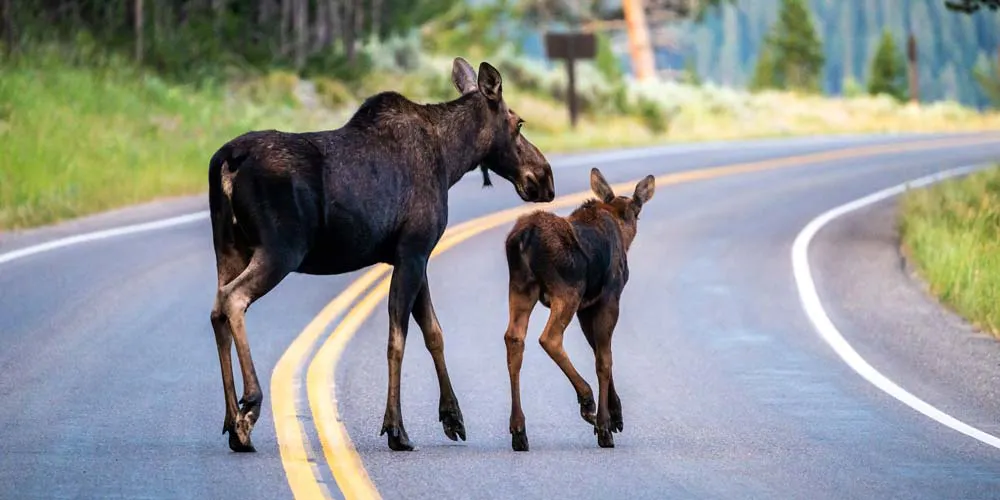
Wildlife underpasses have emerged as one of the most effective tools for addressing this challenge. By creating dedicated passageways beneath roadways, they allow animals to move safely under traffic while reducing the risk of collisions above.
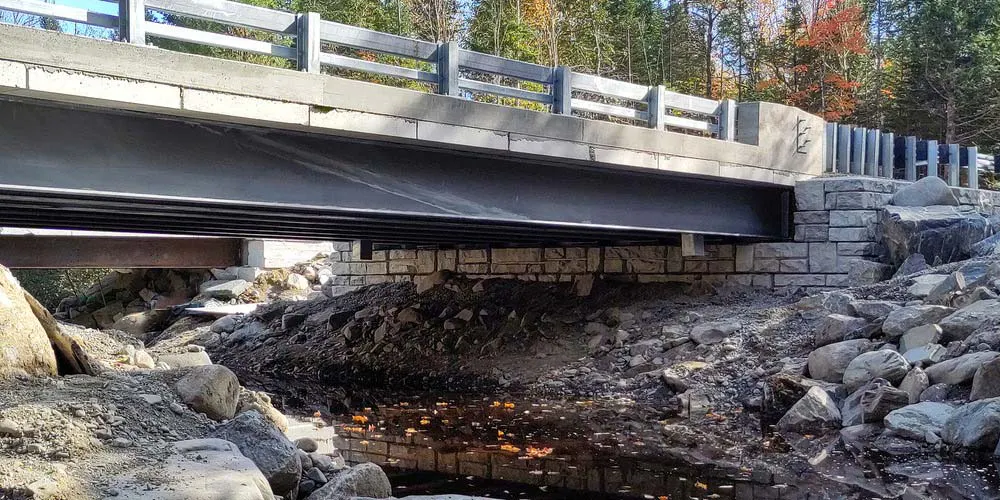
Velpont's modular precast crossing system offers a practical approach to wildlife underpass construction. Originally developed as an open-bottom bridge system for road-stream crossings, Velpont can also support wildlife corridor initiatives by providing durable, adaptable underpasses that preserve natural terrain and habitat continuity.
Why Habitat Connectivity Matters
Wildlife populations rely on movement. Animal movement allows species to reach food, water, breeding areas, seasonal habitats, and shelter. When roads interrupt these routes, the consequences can extend beyond individual collisions. Habitat fragmentation can isolate populations, reduce genetic diversity, and limit access to critical resources.
For transportation agencies, these impacts often intersect with public safety concerns. Vehicle-wildlife collisions can result in property damage, injuries, traffic disruptions, and costly emergency response efforts.
Europe Demonstrates What’s Possible
Wildlife underpasses and overpasses are no longer niche conservation projects. Across Europe, they have become increasingly common in transportation planning. European transportation agencies increasingly view wildlife crossings not as environmental add-ons, but as long-term infrastructure investments that support both public safety, wildlife conservation, and habitat connectivity.
Countries such as the Netherlands, France, Germany, Sweden, and Switzerland have spent decades incorporating wildlife-crossing infrastructure into major road and rail projects to reduce habitat fragmentation and improve roadway safety. In the Netherlands, wildlife crossings have become so commonplace that ecologists describe their inclusion in many transportation projects as routine practice. The country has constructed hundreds of wildlife tunnels and underpasses – and approximately 80 wildlife overpasses – since 1988 to reconnect fragmented habitats.
The results have been encouraging. Studies have found that when wildlife crossings are paired with appropriate fencing and habitat guidance measures, wildlife-vehicle collisions can be reduced by 80% to 95%, while simultaneously improving habitat connectivity. Monitoring programs across Europe have also shown that wildlife often adapts quickly to well-designed crossing structures, with usage increasing over time as animals become familiar with available routes.
What Makes an Effective Wildlife Underpass?
Successful wildlife crossings do more than create an opening beneath a roadway. They create an environment that animals are willing to use.
Research and field experience have shown that wildlife passage structures are most effective when they:
- Maintain natural ground conditions
- Preserve existing drainage patterns
- Provide adequate width and openness
- Minimize abrupt transitions
- Reduce noise and disturbance
- Connect directly to existing habitat corridors
How Velpont Supports Wildlife Movement
Velpont's open-bottom bridge system helps create wildlife underpasses that preserve natural terrain, maintain habitat continuity, and provide safe passage beneath roadways for a wide range of species.
Open-bottom Design Preserves Natural Terrain
Unlike enclosed culverts or four-sided structures, Velpont is an open-bottom bridge system.
Because the crossing spans over the ground below, natural soils, vegetation, streambeds, and drainage features can remain in place or be restored beneath the structure. This allows plants and animals to remain within a more natural environment during construction.
Habitat Connectivity Without Streambed Disturbance
Its modular abutment system is installed primarily from streambanks and approaches, reducing or eliminating the need for extensive in-stream construction in many applications.
This approach helps preserve natural channel conditions while supporting fish passage and the movement of non-aquatic wildlife.
Accommodates Multiple Species
Because Velpont can provide substantial span width (up to 75 ft [22.8 m]) and vertical clearance (up to 20 ft [6.1 m]) while maintaining natural ground conditions, it offers flexibility to meet a wide range of habitat connectivity objectives.
Benefits for Transportation Agencies and Engineers
For transportation agencies and engineering teams, wildlife underpasses offer an opportunity to improve roadway safety, support habitat connectivity, and advance long-term infrastructure resilience through a single, multi-benefit investment.
Improved Roadway Safety
Reducing wildlife-vehicle collisions protects motorists, reduces property damage, and can lower long-term maintenance and response costs.
Faster Construction Timelines
Velpont's modular precast components arrive ready for installation, allowing many projects to be completed in days rather than weeks or months.
Long-term Durability
Velpont abutment blocks are manufactured from reinforced architectural-grade wet cast concrete designed to withstand severe freeze-thaw conditions, de-icing chemical exposure, and demanding transportation environments. The system is intended as long-term infrastructure with a projected lifespan exceeding 75 years.
Support for Resilience and Connectivity Goals
Wildlife underpasses can help agencies address multiple objectives within a single project by improving safety, restoring connectivity, and supporting durable infrastructure investments.
Opportunities for Conservation and Habitat Connectivity Initiatives
Because Velpont preserves natural terrain beneath the crossing and minimizes disturbance during installation, it may complement initiatives focused on:
- Wildlife connectivity
- Aquatic organism passage
- Stream restoration
- Flood resilience
- Habitat conservation
- Transportation safety improvements
Infrastructure That Serves Travelers Above and Below
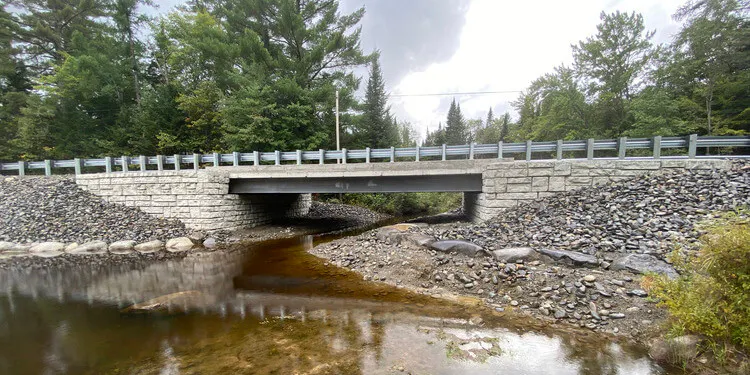
Velpont's modular precast crossing system provides engineers, transportation agencies, and conservation leaders with a practical tool for creating wildlife corridors beneath roadways. Through efficient installation, durable construction, and an open-bottom design that preserves natural conditions, Velpont helps support safe passage for both people and wildlife.